
What Not to Do When Setting Boundaries
There's been a huge explosion of discourse in social media and psychology around boundary setting. While it's fantastic that we're talking more about identifying and communicating our boundaries, sometimes the way we go about it can be ineffective and even damaging to our relationships. Boundaries are meant to improve our connections, but if not handled well, they can have the opposite effect, leaving us feeling frustrated and reverting to old, unhelpful patterns.
1. Swinging from Passive to Aggressive
If you're used to being quite passive in your communication style, your first attempts at setting boundaries might swing the pendulum too far the other way. You might find yourself becoming overly aggressive, harsh, or blunt in how you communicate. This can cause ruptures in your relationships and friendships. The negative feedback you get might then cause you to retreat back into passivity, creating an unhelpful cycle where your needs are still not being met.
2. Trying to Control the Other Person
A common mistake is thinking that setting a boundary is about controlling what another person does. While often not intended to be controlling, phrasing a boundary as "I don't want you to do that" is not actually a boundary; it's a request. You can ask someone to change their behaviour, but they may or may not comply. A true boundary is about what you will do and what you will accept. It should be phrased using words like "I am going to..." rather than "I want you to...". This shifts the focus from controlling them to managing yourself and your own space.
3. Lacking Clarity and Follow-Through
Sometimes we think we're being clear, but our message is vague. Other times, we state a boundary but have no plan for what to do when someone crosses it. If we say what we're going to do but then don't follow through when our boundary is ignored, our words become ineffective. Part of the skill in setting boundaries is learning how to escalate them appropriately and, most importantly, being able to follow through with the consequences you have communicated. This isn't meant to be a threat; it's a clear communication of what you will do to protect yourself. Saying one thing and doing another creates a pattern that teaches others they don't need to respect your boundaries.
How We Can Help
If you struggle to understand boundaries, feel like your relationships are not reciprocal, or find yourself sacrificing too much, working with a professional can help. This is also true if you've been told you are too aggressive or blunt and want to learn a more effective way to communicate. If you grew up in a home where healthy boundaries weren't modelled, it can be incredibly difficult to even know what is a reasonable request or a reasonable course of action.
All of our psychologists have gone through clinical psychology training. We work a lot with helping our clients to:
• Develop a better sense of self
• Understand themselves and their needs better
• Improve their communication skills
• Establish and maintain better boundaries in their relationships
Working with a clinical psychologist can help you explore these patterns and develop the skills to build healthier, more balanced relationships.
Take the Next Step
If you feel like you're doing a lot, sacrificing a lot, and people walk all over you, or if you're on the other side and have been told you're too direct, it may be time to seek support. If you've been wanting to learn how to more effectively set and hold boundaries, or even just understand what your own boundaries are, we are here to help.
Send us an email at admin@brodieearl.com, or you can send an inquiry through our website via the booking button at the top right of the page. One of our clinicians will give you a call.
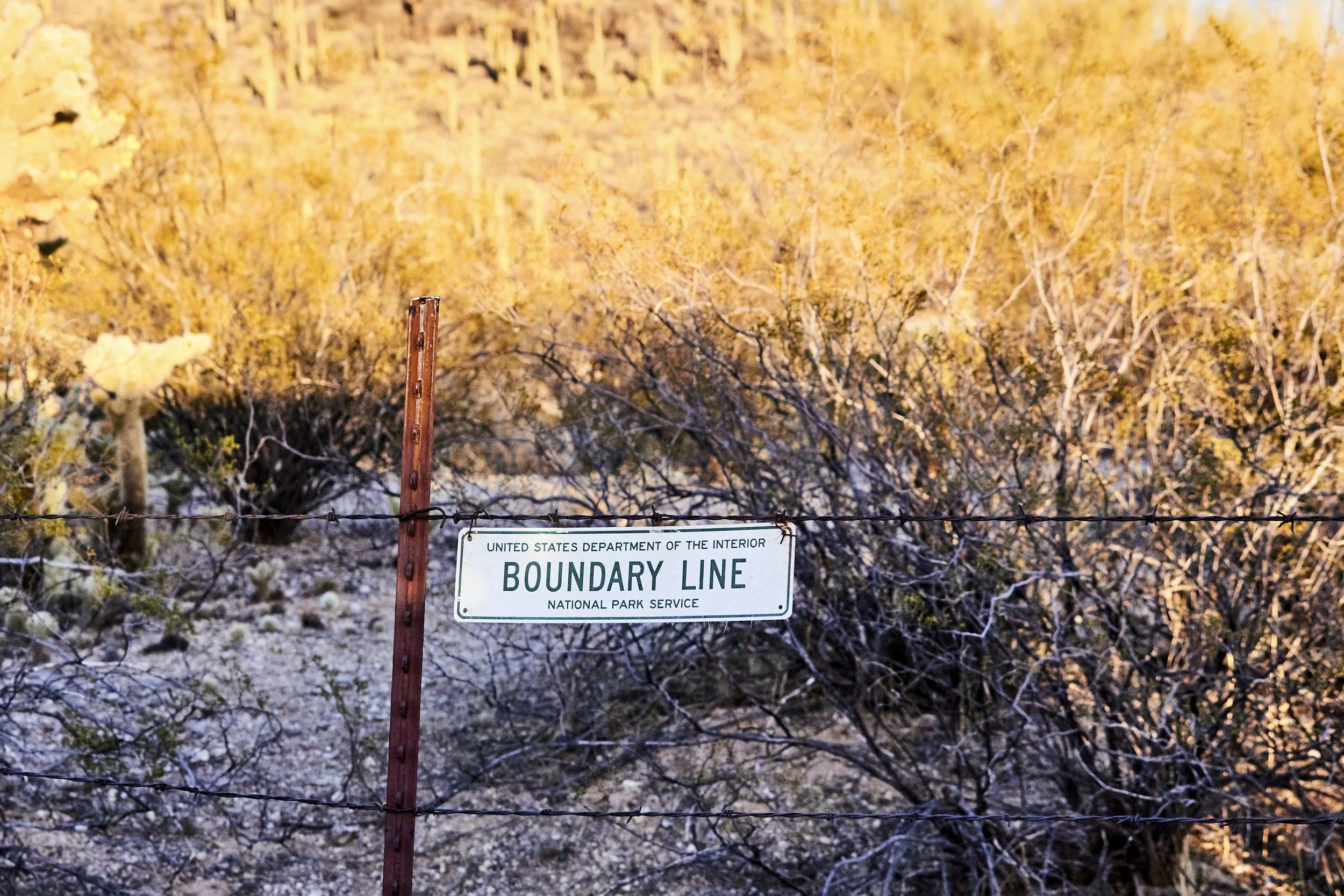
What NOT to do when setting boundaries